
How to Choose the Right Ophthalmic Equipment Supplier in India
The quality of ophthalmic care depends not only on the expertise of doctors but also on the reliability and performance of the equipment they use every day. Whether it is an auto refractometer, slit lamp, fundus camera, phaco machine, or portable diagnostic device, every ophthalmic setup relies heavily on accurate and dependable technology.
This is why choosing the right ophthalmic equipment supplier in India is one of the most important decisions for any eye clinic, hospital, optometry practice, or healthcare institution.
A good supplier does much more than deliver equipment. They become a long-term support partner who influences workflow efficiency, diagnostic accuracy, equipment uptime, patient trust, and even your clinic’s growth potential.
In this guide, we will break down the most important factors to consider before selecting an ophthalmology equipment distributor or eye clinic equipment supplier.
Why Choosing the Right Ophthalmic Equipment Supplier Matters
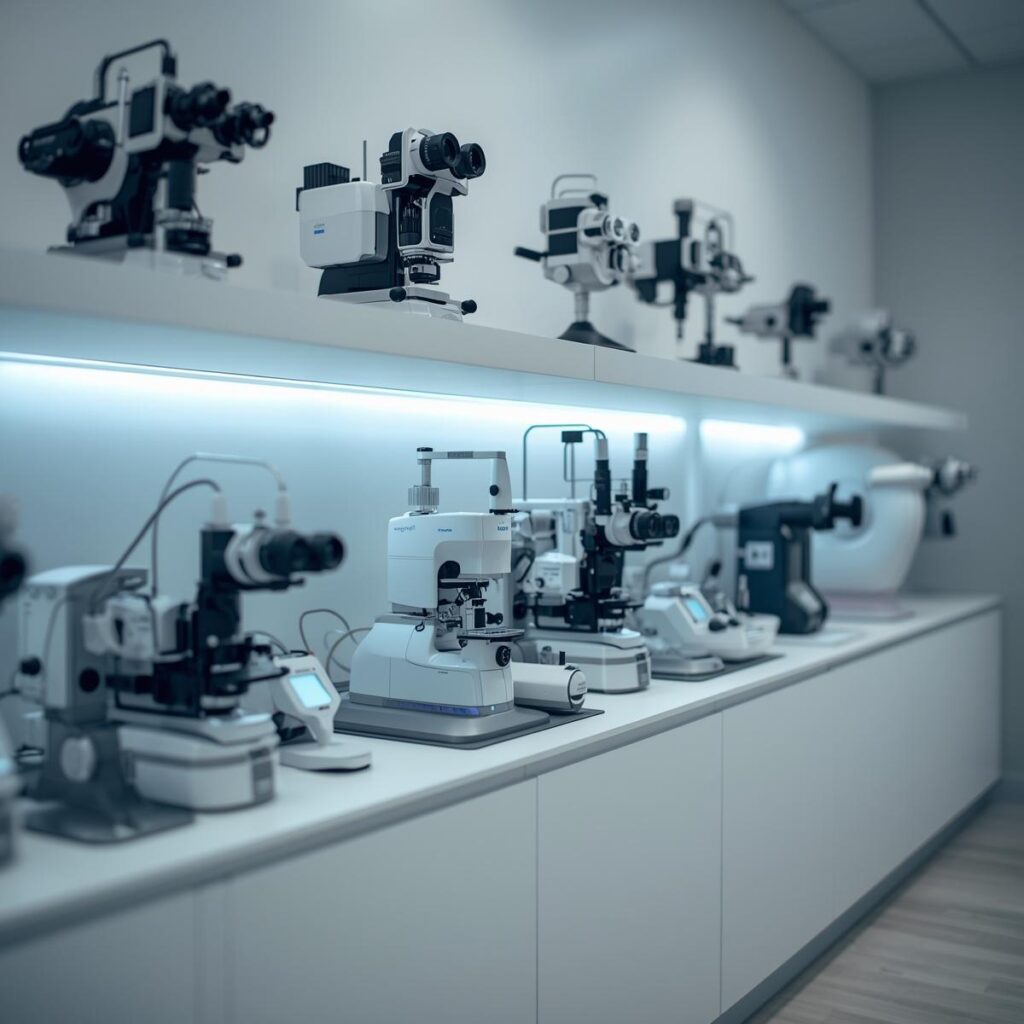
Ophthalmology is a precision-driven specialty. Even minor inconsistencies in calibration, imaging quality, illumination, or measurement accuracy can directly affect diagnosis and patient outcomes.
That means your equipment supplier indirectly affects:
- diagnostic confidence
- patient experience
- treatment planning
- clinic workflow
- long-term maintenance costs
- operational downtime
- scalability of services
A reliable ophthalmic equipment supplier in India ensures that clinics receive equipment that is not only technically advanced but also properly supported after installation.
This is particularly important for:
- eye hospitals
- cataract surgery centres
- retina clinics
- glaucoma practices
- optometry clinics
- vision screening camps
- institutional healthcare setups
Understanding the Different Types of Ophthalmic Equipment
Before choosing a supplier, it is important to understand the categories of ophthalmic diagnostic equipment commonly used in eye care.
Refraction & Vision Assessment Equipment
These devices are essential for routine eye testing and refractive analysis.
Examples include:
- Auto refractometers
- Auto keratometers
- Lensmeters
- Vision charts
- Trial lens sets
These are commonly used in:
- optical stores
- optometry clinics
- general ophthalmology setups
- vision screening centres
Clinical Examination Equipment
These devices are used for detailed examination and patient evaluation.
Examples include:
- Slit lamps
- Tonometers
- Indirect ophthalmoscopes
- Gonioscopy systems
- Pachymeters
High-quality optics and illumination systems are critical in this category.
Imaging & Diagnostic Equipment
Advanced eye care facilities depend heavily on imaging technology.
Examples include:
- Fundus cameras
- OCT systems
- B-scan ultrasound devices
- Fluorescein angiography systems
- Topography systems
These systems are especially important in:
- retina clinics
- diabetic retinopathy management
- glaucoma monitoring
- advanced diagnostic centres
Surgical & Procedure-Based Equipment
Specialized ophthalmic centres require surgical support systems.
Examples include:
- Phacoemulsification machines
- Operating microscopes
- Surgical instruments
- Laser systems
- Motorized tables and workflow systems
This category requires strong technical support and maintenance availability.
Key Factors to Consider When Choosing an Ophthalmology Equipment Distributor
1. Product Quality & Technical Standards
The first thing to evaluate is equipment quality.
A trusted ophthalmology equipment distributor should provide:
- clinically reliable systems
- stable performance
- high imaging accuracy
- durable build quality
- calibration consistency
- proper certification and compliance
Low-quality equipment may initially appear cost-effective but can result in:
- inaccurate diagnosis
- increased maintenance costs
- workflow disruptions
- poor patient confidence
This becomes especially critical in high-volume clinics and hospitals.
2. Product Range & Scalability
A good eye equipment supplier in India should offer solutions for different stages of clinic growth.
For example:
Basic setup stage
- Auto refractometer
- Slit lamp
- Tonometer
- Trial lens system
Intermediate diagnostic stage
- Fundus camera
- Lensmeter
- Keratometer
- Portable screening devices
Advanced ophthalmology setup
- OCT
- Phaco systems
- Surgical microscopes
- Advanced retinal imaging
Working with a supplier that supports long-term expansion is more efficient than dealing with multiple vendors later.
3. After-Sales Support & Service Reliability
One of the most overlooked aspects of ophthalmic equipment procurement is after-sales service.
Even premium systems require:
- periodic servicing
- calibration
- software updates
- maintenance support
- spare part replacement
A supplier without reliable support can cause serious operational delays.
Before finalizing a supplier, ask:
- Do they provide installation support?
- Is remote troubleshooting available?
- How quickly do they respond to service requests?
- Are spare parts easily available?
- Do they provide technical guidance?
Fast support response time is especially important for retina clinics, surgical centres, and diagnostic facilities.
Why Technical Expertise Matters in Ophthalmic Equipment Supply
A professional supplier should understand both:
- equipment specifications
- real-world clinical applications
This is where experienced suppliers differentiate themselves from general medical equipment vendors.
For example, recommending a fundus camera is not just about resolution numbers. The supplier should understand:
- clinic workflow
- patient volume
- portability requirements
- imaging objectives
- software usability
- retina documentation needs
Similarly, recommending a slit lamp involves understanding:
- magnification systems
- illumination quality
- optics clarity
- camera integration compatibility
This level of consultation helps clinics avoid unnecessary investment and choose systems aligned with their actual operational requirements.
Importance of Portable & Digital Ophthalmic Equipment
Modern eye care is increasingly moving toward:
- portable diagnostics
- digital imaging
- wireless workflows
- telemedicine integration
- compact screening systems
This is particularly useful for:
- outreach camps
- rural screening
- mobile eye units
- home-care eye assessment
- hospital networking systems
Examples include:
- portable B-scan devices
- wireless rebound tonometers
- portable fundus cameras
- handheld retinal imaging systems
Clinics planning future-ready setups should prioritize suppliers who offer modern digital diagnostic systems.
How the Right Supplier Supports Clinic Workflow Efficiency
The role of an eye clinic equipment supplier extends beyond products.
Good suppliers help optimize:
- equipment arrangement
- examination flow
- patient movement
- doctor accessibility
- space utilization
- workflow ergonomics
For example:
Motorized tables, integrated diagnostic lanes, and optimized examination positioning can significantly improve consultation efficiency.
This is particularly important in:
- high-footfall clinics
- institutional practices
- multi-doctor setups
- diagnostic centres
Questions You Should Ask Before Finalizing a Supplier
Before choosing an ophthalmic equipment supplier in India, ask these critical questions:
Technical & Product Questions
- What brands and product categories do you supply?
- Are demo sessions available?
- What warranty coverage is included?
- Are upgrades available later?
- Is the equipment suitable for my patient volume?
Service & Support Questions
- How quickly is technical support provided?
- Is on-site service available?
- Are installation and training included?
- What is the average service turnaround time?
Business & Scalability Questions
- Can the supplier support future expansion?
- Do they provide complete clinic setup assistance?
- Can they help with workflow planning?
- Do they support institutional procurement?
These questions help separate genuine specialists from basic resellers.
Why Clinics Prefer Specialized Ophthalmic Suppliers Over General Vendors
General medical equipment suppliers may offer broader inventory, but ophthalmology requires specialized understanding.
Dedicated ophthalmic suppliers typically provide:
- better product knowledge
- ophthalmology-focused guidance
- application-based recommendations
- specialized technical support
- better understanding of diagnostic workflow
This is especially valuable for clinics planning long-term growth.
The Growing Demand for Ophthalmic Equipment in India
The demand for advanced eye care infrastructure in India continues to grow due to:
- increasing diabetic population
- rising awareness of eye health
- growth of cataract and retina care
- expansion of diagnostic centres
- increasing demand for vision screening
- healthcare modernization in tier-2 and tier-3 cities
As a result, clinics are increasingly investing in:
- digital diagnostics
- portable ophthalmic devices
- advanced imaging systems
- efficient workflow setups
This makes choosing the right ophthalmology equipment distributor even more important for long-term operational success.
Final Thoughts
Choosing the right ophthalmic equipment supplier in India is not simply a purchasing decision — it is a long-term strategic investment in your clinic’s performance, reliability, and patient trust.
The ideal supplier should offer:
- quality ophthalmic equipment
- technical expertise
- reliable after-sales support
- workflow guidance
- scalable solutions for future growth
For eye clinics, hospitals, and diagnostic centres looking to build reliable ophthalmic infrastructure, working with an experienced partner can significantly improve operational efficiency and clinical confidence.
Mediscience Devices supports healthcare professionals with a wide range of ophthalmic diagnostic, imaging, and clinic setup solutions tailored for modern eye care practices. From portable diagnostic systems to advanced clinical equipment, choosing the right partner helps ensure your clinic is built on precision, reliability, and long-term support.
Frequently Asked Questions (FAQ)
You should evaluate product quality, technical expertise, after-sales support, installation assistance, warranty coverage, and the supplier’s understanding of ophthalmic workflow requirements.
Ophthalmic equipment requires periodic servicing, calibration, and maintenance. Reliable after-sales support helps reduce downtime and ensures consistent diagnostic accuracy.
A basic eye clinic setup typically includes a slit lamp, auto refractometer, tonometer, trial lens set, vision chart system, and lensmeter.
Yes. Many specialized ophthalmic suppliers provide end-to-end solutions including diagnostic equipment, motorized tables, workflow planning, installation support, and technical guidance.
Mediscience Devices offers a broad range of ophthalmic diagnostic and clinic setup solutions supported by technical expertise and industry experience. Their focus on product reliability, workflow support, and professional guidance makes them a dependable partner for eye clinics, hospitals, and healthcare institutions across India.